Iran's World Cup coaches banned as geopolitics overshadows football
Visa rejections and heated rhetoric turn tournament into unexpected diplomatic battleground
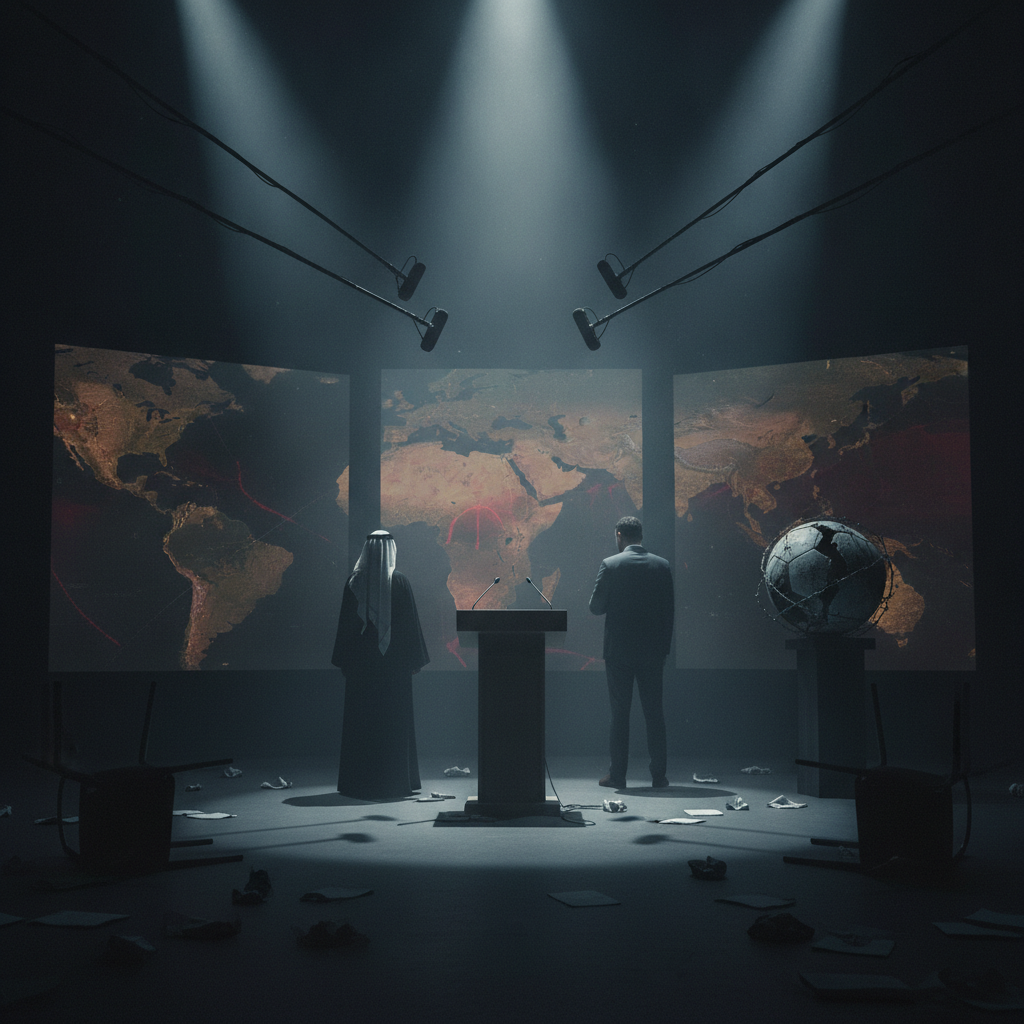
Iran's coaching staff has been denied visas ahead of upcoming World Cup matches, forcing the team into chaos just as tensions between nations threaten to turn the beautiful game into a political warzone.
Visas rejected, chaos ensues
Iran's entire coaching team had their visa applications rejected, leaving the squad scrambling to find replacements ahead of crucial matches. The move strips the team of essential preparation time and experienced tactical guidance. It's a gutsy diplomatic move that's sent shockwaves through the tournament, raising questions about whether sports can stay separate from international conflict.
Regime frames football as battleground
Things escalated when a regime commander declared the World Cup itself as contested territory, reframing what should be a neutral sporting competition as a political conflict zone. The rhetoric transformed the pitch from a place of athletic competition into something altogether more dangerous. It's the kind of statement that makes you realise this is no longer just about who scores the most goals.
When diplomacy goes missing
Normally, the World Cup operates under an unspoken truce. Nations park their disputes, fans celebrate diversity, and football becomes a universal language. Not this time. The visa denials and inflammatory statements have replaced the typical diplomatic niceties that usually cushion international tournaments. Instead of handshakes and pre-match pleasantries, we're seeing hardline positioning that suggests someone's playing for much bigger stakes than silverware.
The timing is particularly brutal for Iran's squad, who now face the dual challenge of competing at the highest level while their coaching structure crumbles behind them. Whether they can pull together a replacement team or adjust their approach remains unclear, but one thing's certain. the tournament has become a flashpoint for broader global tensions, and the rest of the world is watching to see if football can survive its collision with geopolitics.
Source: dailymail.com
